You probably know that water is important. But how do you actually know when you’re not getting enough?
Most people assume the answer is simple: You get thirsty.
But thirst isn’t always the most reliable early warning sign. Your body can start showing other clues when your fluid intake isn’t keeping up with what you’re losing through urine, sweat, breathing, and everyday activity.
And as we get older, our sense of thirst can become less pronounced, making it even easier to fall behind on fluids.
Here are 7 signs you may not be drinking enough water—including a few that are surprisingly easy to overlook.
1. Your Urine Is Dark Yellow
One of the simplest clues may be waiting for you in the bathroom.
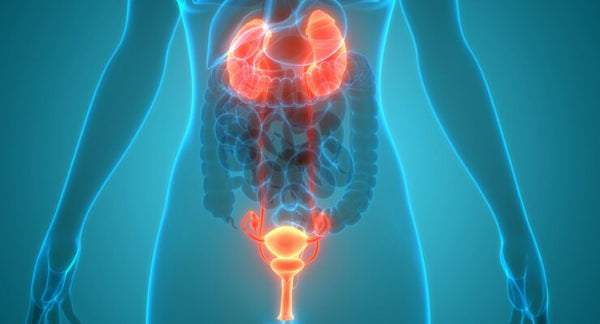
When you’re well hydrated, urine is generally pale yellow. When your body needs to conserve water, your kidneys produce more concentrated urine, which can make it appear darker.
Dark yellow or amber urine can therefore be a sign that it’s time to drink more.
There are exceptions, of course. Certain vitamins, medications, foods, and health conditions can change urine color. But if your urine is consistently darker than usual and you haven’t been drinking much, hydration is worth considering.
2. Your Mouth Feels Dry or Sticky
A dry mouth is another common clue.
Saliva is largely made up of water. When you’re low on fluids, saliva production may decrease, leaving your mouth feeling unusually dry, sticky, or uncomfortable.
You may also notice dry or cracked lips.
An occasional dry mouth isn’t necessarily dehydration—medications and certain health conditions can cause it, too. But paired with thirst, dark urine, or reduced urination, it can be another signal that you need more fluids.
3. You’re Getting Headaches
That nagging afternoon headache might have a surprisingly simple explanation.
Dehydration can trigger headaches in some people, and research suggests that increasing water intake may help certain people who frequently experience headaches and don't normally drink much water.
Before automatically reaching for another cup of coffee, consider how much water you’ve actually had that day.
If the answer is “almost none,” a glass of water may be a good place to start.
4. You Feel Tired or Sluggish
There are dozens of reasons you might feel tired—but inadequate hydration is one that’s easy to overlook.
Even relatively modest fluid loss can affect how you feel and perform, particularly during exercise, hot weather, or long periods without drinking.
You might notice that you feel:
-
More sluggish than usual
-
Less alert
-
Unusually tired
-
Unable to concentrate as well
-
Like you’ve hit an afternoon “wall”
Water isn't an instant cure for fatigue, of course. Persistent or unexplained fatigue deserves a conversation with your healthcare provider. But if you've barely had anything to drink all day, dehydration could be contributing.
5. You Feel Dizzy When You Stand Up
Have you ever stood up quickly and suddenly felt lightheaded?
Dehydration reduces the amount of fluid circulating through your body. In more significant cases, this can contribute to a drop in blood pressure and make dizziness or lightheadedness more likely.
This is particularly important for older adults, because both dehydration and dizziness can increase the risk of falls.
Frequent dizziness, fainting, chest pain, or severe weakness shouldn't simply be blamed on dehydration and should be medically evaluated.
6. You’re Constipated
Your digestive system needs water, too.
The colon absorbs water from the material moving through your digestive tract. If you aren't getting enough fluids, stools can become harder and more difficult to pass.
That doesn't mean drinking gallons of water will magically cure constipation. Fiber, physical activity, medications, and underlying health conditions can all play a role.
But if your fluid intake has been low, drinking more water is one of the simplest places to start.
7. You’re Suddenly Craving Something to Drink—or Eat
Sometimes thirst is obvious.
Other times, you simply find yourself wandering into the kitchen looking for something.
While the popular claim that the body routinely “confuses thirst with hunger” is probably oversimplified, thirst can certainly influence what and when we consume.
Before reaching for another snack, ask yourself a simple question:
When was the last time I drank a glass of water?
If it's been hours, try drinking some water and see how you feel.
How Much Water Do You Really Need?
You've probably heard the old advice to drink eight glasses of water every day.
The reality is more individual.
Your fluid needs depend on your body size, activity level, environment, diet, age, medications, and health conditions. And importantly, your water doesn't have to come exclusively from a glass.
Tea, coffee, milk, soups, fruits, vegetables, and other foods and beverages all contribute to your daily fluid intake.
Foods such as watermelon, strawberries, oranges, cucumber, lettuce, tomatoes, and zucchini contain particularly high amounts of water.
A practical strategy is to drink regularly throughout the day rather than waiting until you're extremely thirsty.
Keep water somewhere visible. Have a glass with meals. Drink more when you're exercising or spending time outdoors in hot weather. And pay attention to what your body is telling you.
Want to Upgrade Your Water?
Getting enough water is step one.
But if you’re already making the effort to drink more water every day, there’s another simple way to upgrade what’s in your glass.
Lumia H2 makes it incredibly simple.
Just drop one Lumia H2 Hydrogen Water Tablet into a glass or bottle of water and let it dissolve. In about 90 seconds, the tablet releases molecular hydrogen into your water—along with magnesium.
There are no sugary electrolyte drinks to mix. No complicated powders. And no expensive hydrogen-water machine sitting on your counter.
It's simply an easy way to turn the water you're already drinking into hydrogen-rich water.
If drinking more water is one of the healthy habits you're trying to build, this is one upgrade worth knowing about.
>> See How Lumia H2 Turns Ordinary Water Into Hydrogen Water